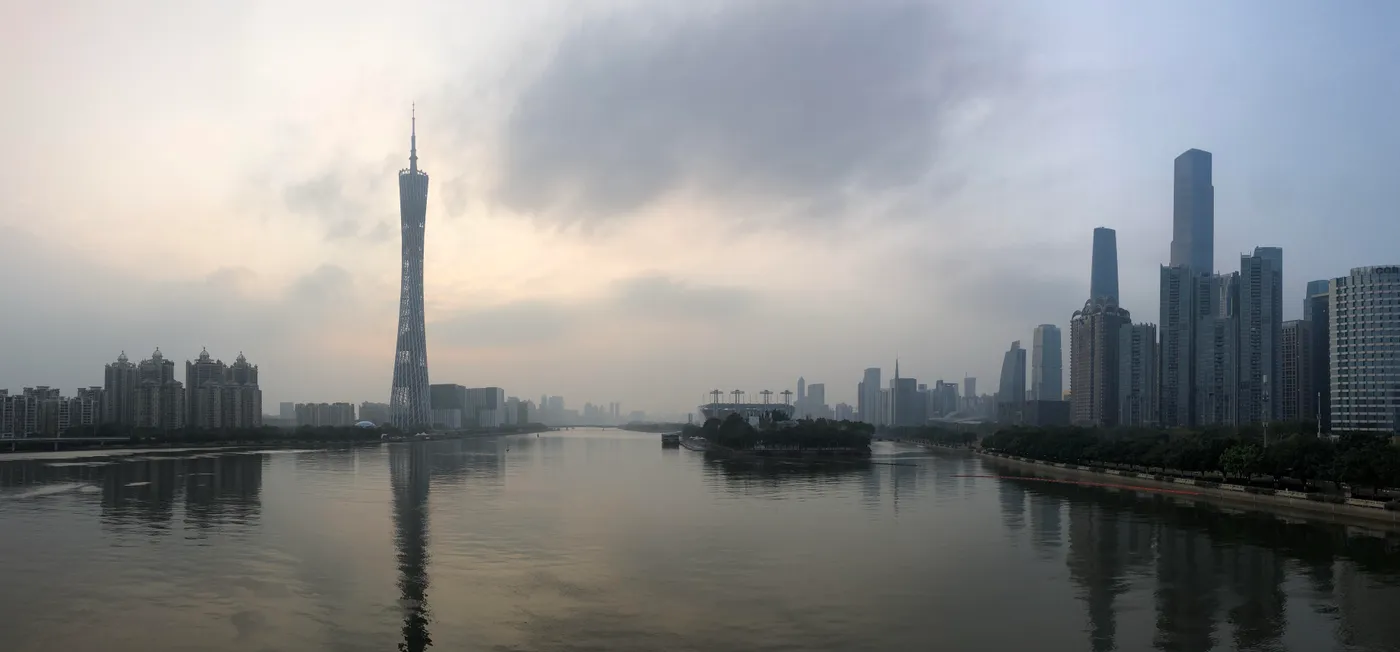
Shanghai, Suzhou, Hangzhou, and Shaoxing
A forgiving first east-China route with skyline walks, gardens, West Lake, canals, yellow wine, and short rail hops that do not waste whole days.
Start with the cities where landmarks, food streets, rail access, and hotel choices are easiest to connect into a real trip.
The current list focuses on the first batch of high-demand cities. New city guides and deeper food routes will be added gradually.
A forgiving first east-China route with skyline walks, gardens, West Lake, canals, yellow wine, and short rail hops that do not waste whole days.
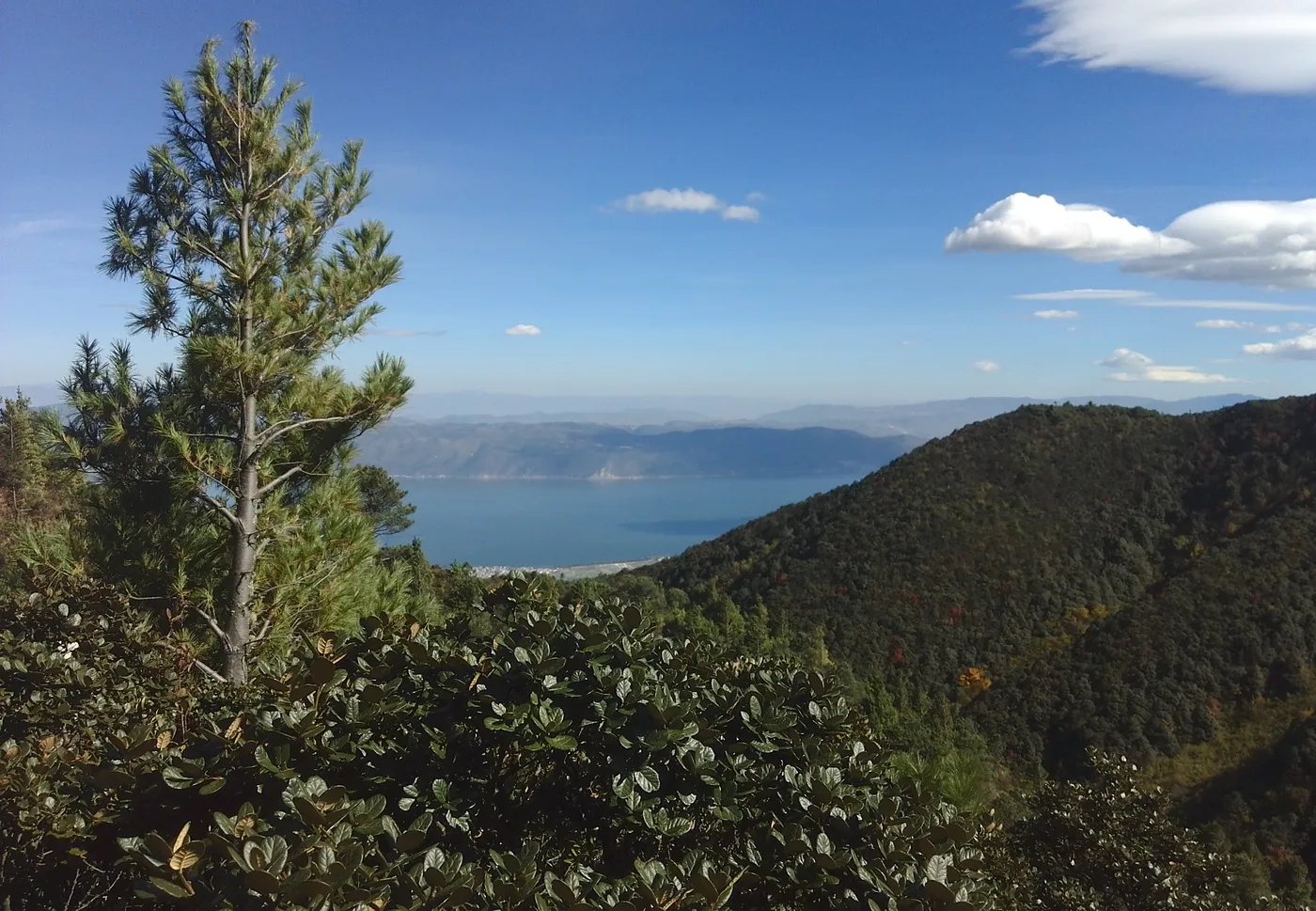
A slower Yunnan route built around old towns, mountain views, Bai and Naxi food, and enough breathing room for weather, cafés, and easier mornings.
Works well for travelers who want palace walls, old government compounds, city walls, grottoes, noodles, and a more grounded north-China rail sequence.
A clean two-city route for pandas, teahouses, river views, hotpot, noodles, and a direct step into stronger southwest flavors without overcomplicating transfers.
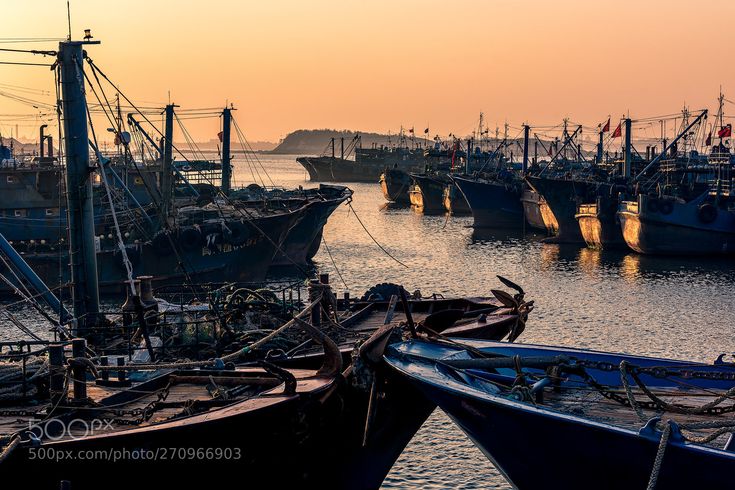
A food-heavy coastal route with tea, temple streets, oyster dishes, rice noodles, old-port neighborhoods, and a noticeably softer pace than inland megacities.
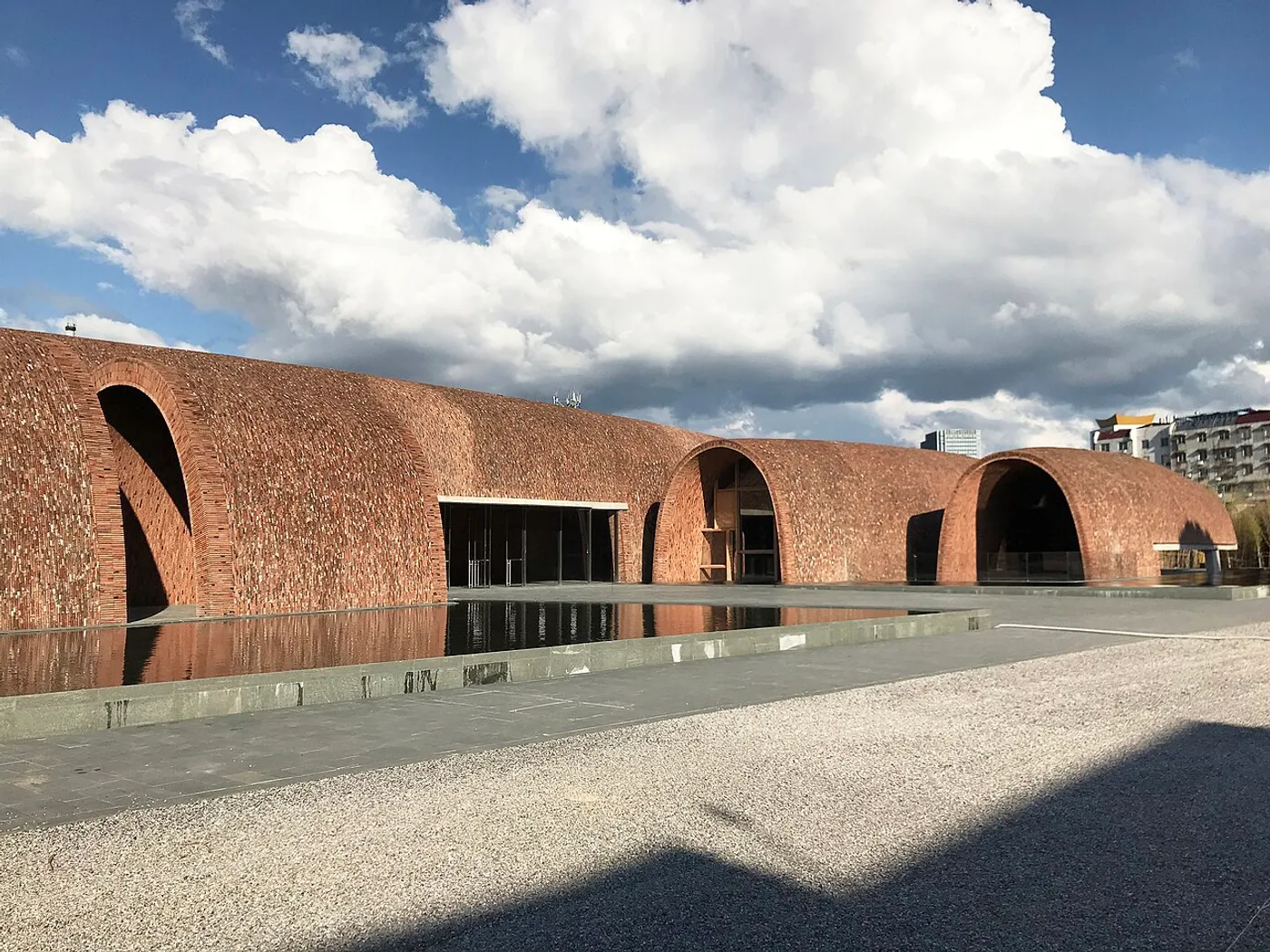
Tea, mountains, old streets, and slower scenic days that work better when you leave room for weather shifts and rail buffers instead of stacking too many sights.
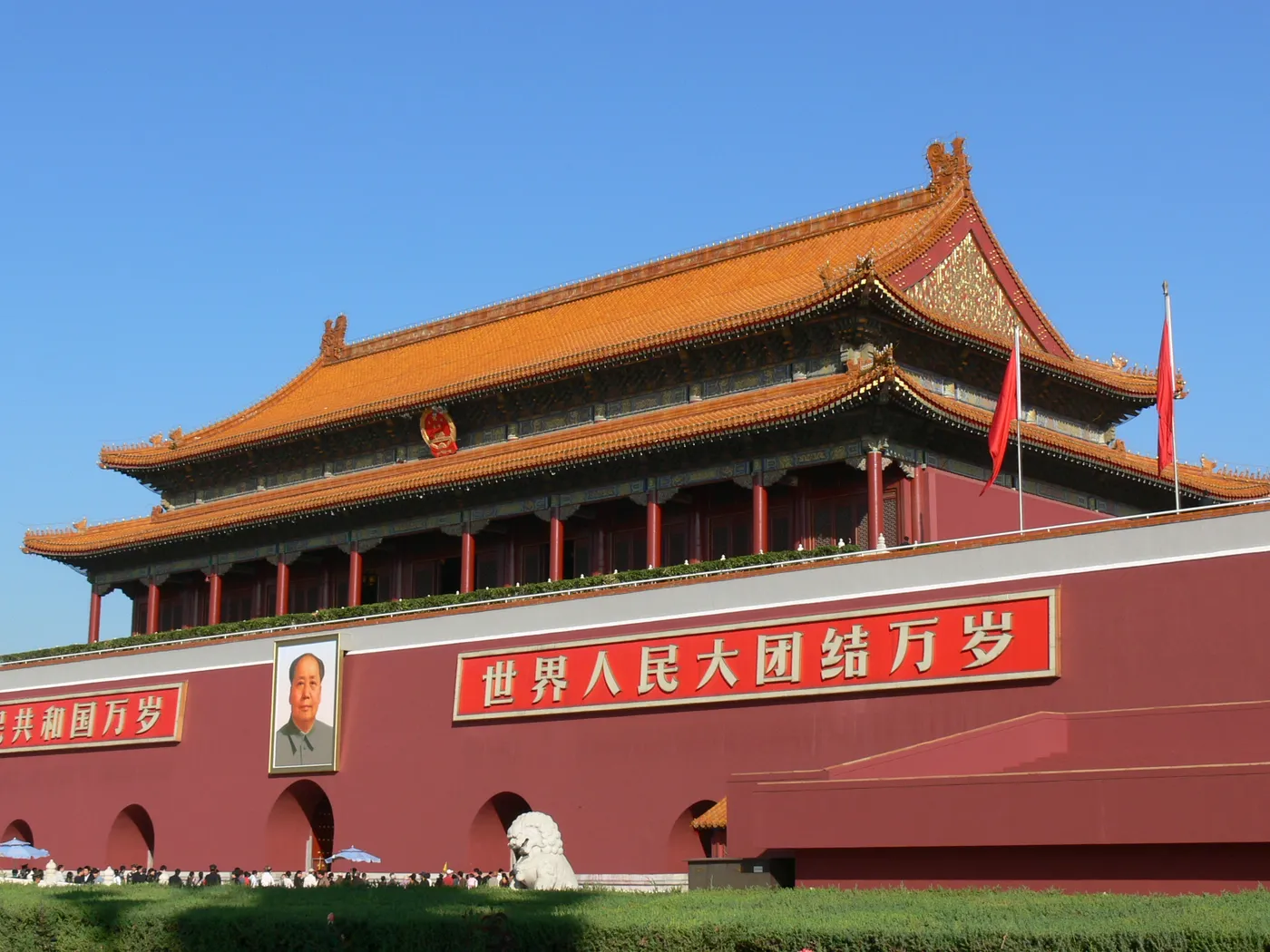
Beijing is the place to start if you want China at full scale: palace walls in the morning, hutong lanes by late afternoon, and roast duck when your feet finally complain.
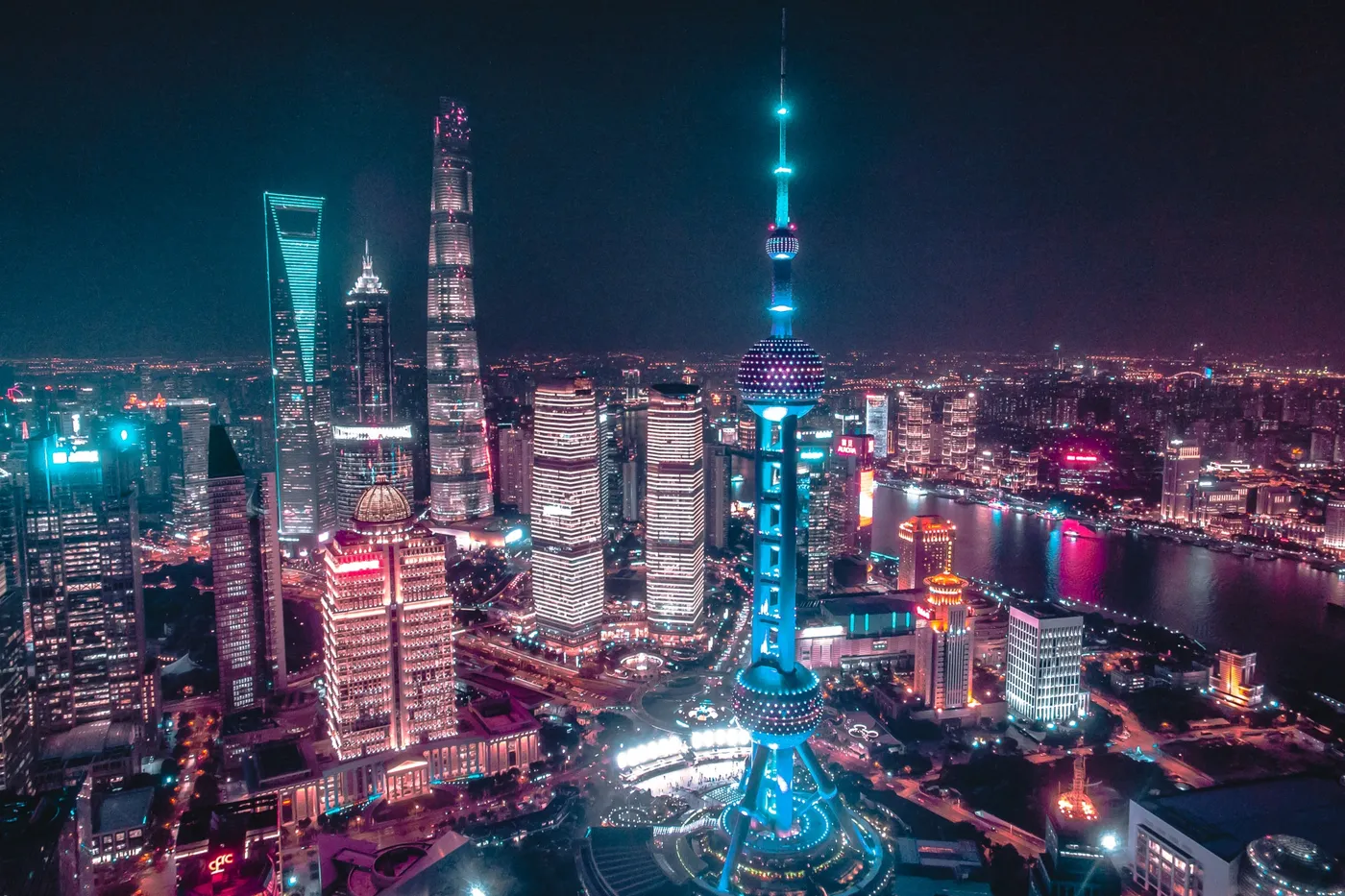
Shanghai is the easiest big-city landing in China: metro signs make sense, the river gives you your bearings, and the food swings from breakfast buns to polished old-school dining.
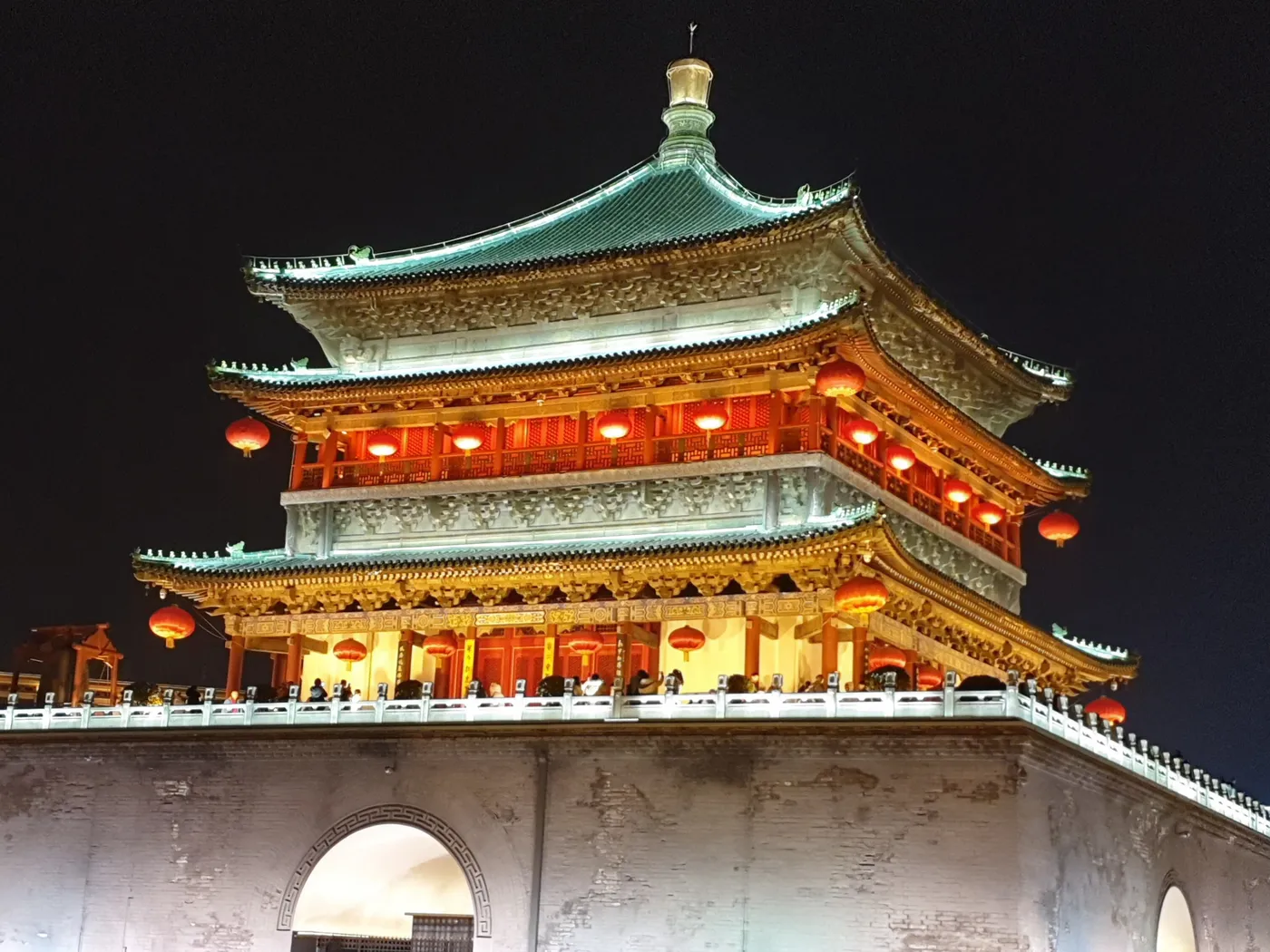
Xi'an works because the history and food sit close together: city wall, drum tower, noodle shops, old lanes, and the Terracotta Warriors waiting outside town.
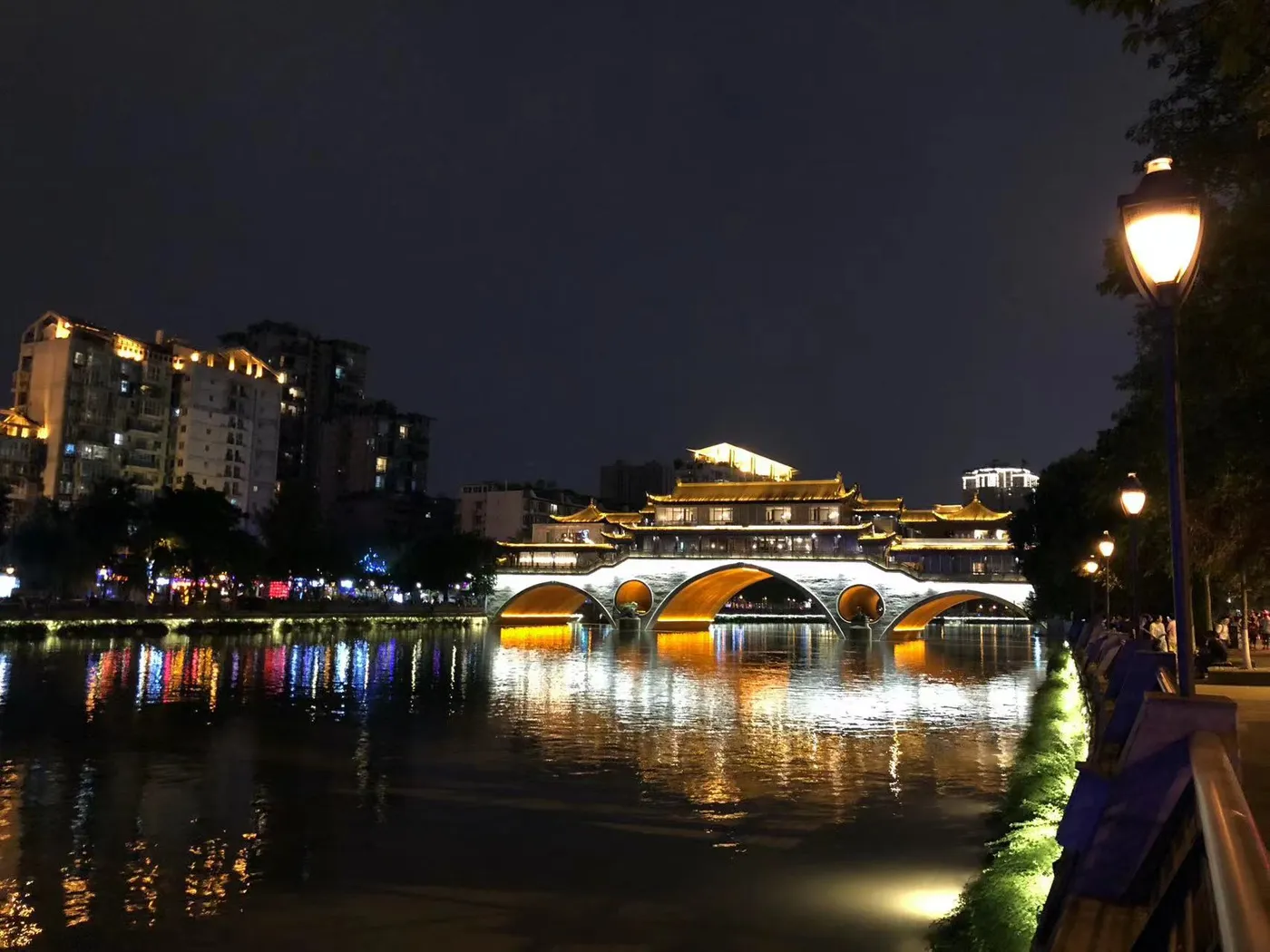
Chengdu is softer than its chili reputation: pandas early, teahouses in the afternoon, and a hotpot table that can be as gentle or as punishing as you let it be.
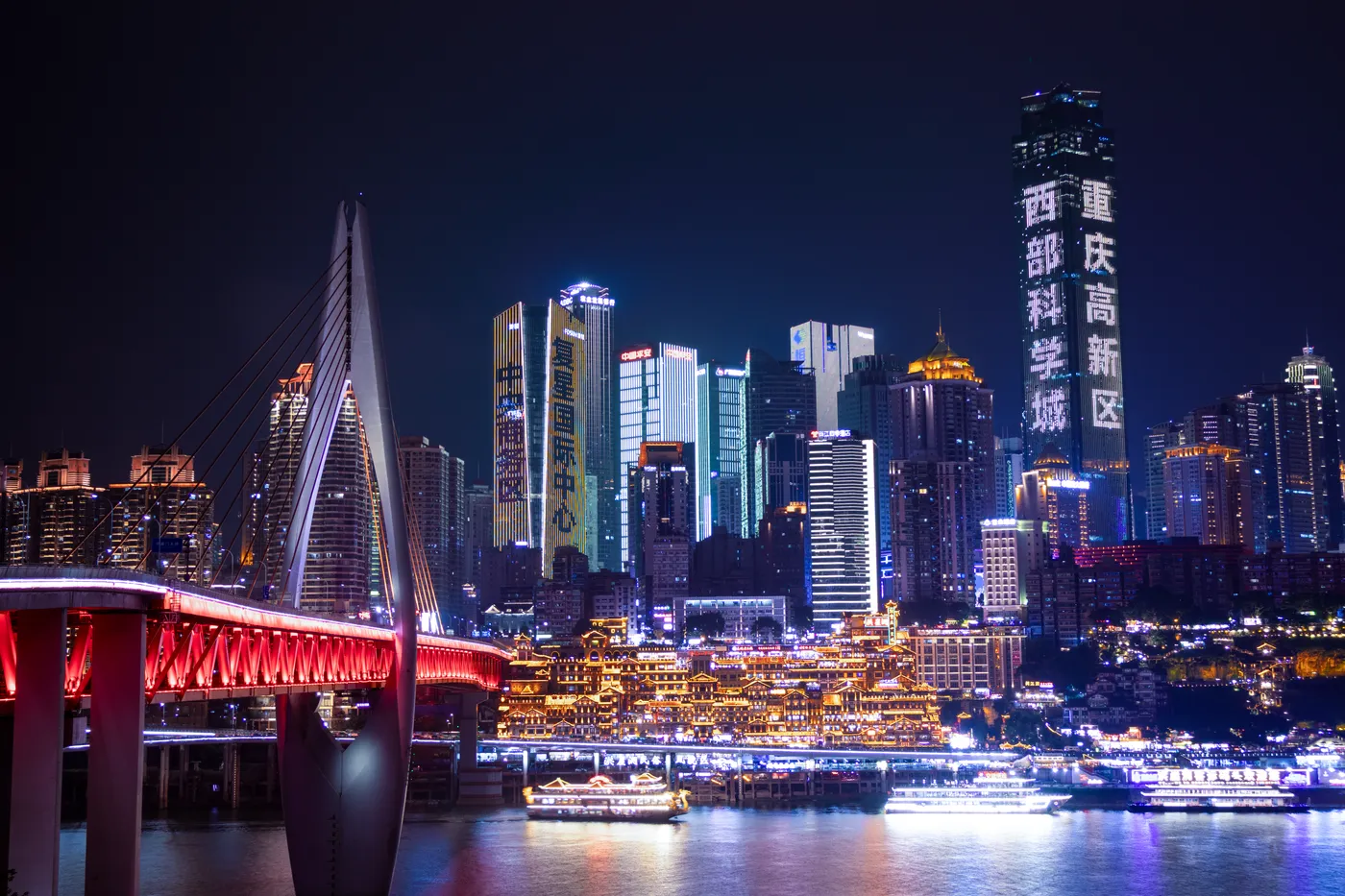
Chongqing is vertical, loud, spicy, and photogenic after dark. Give yourself extra time: the map may say five minutes, but the stairs may have other plans.
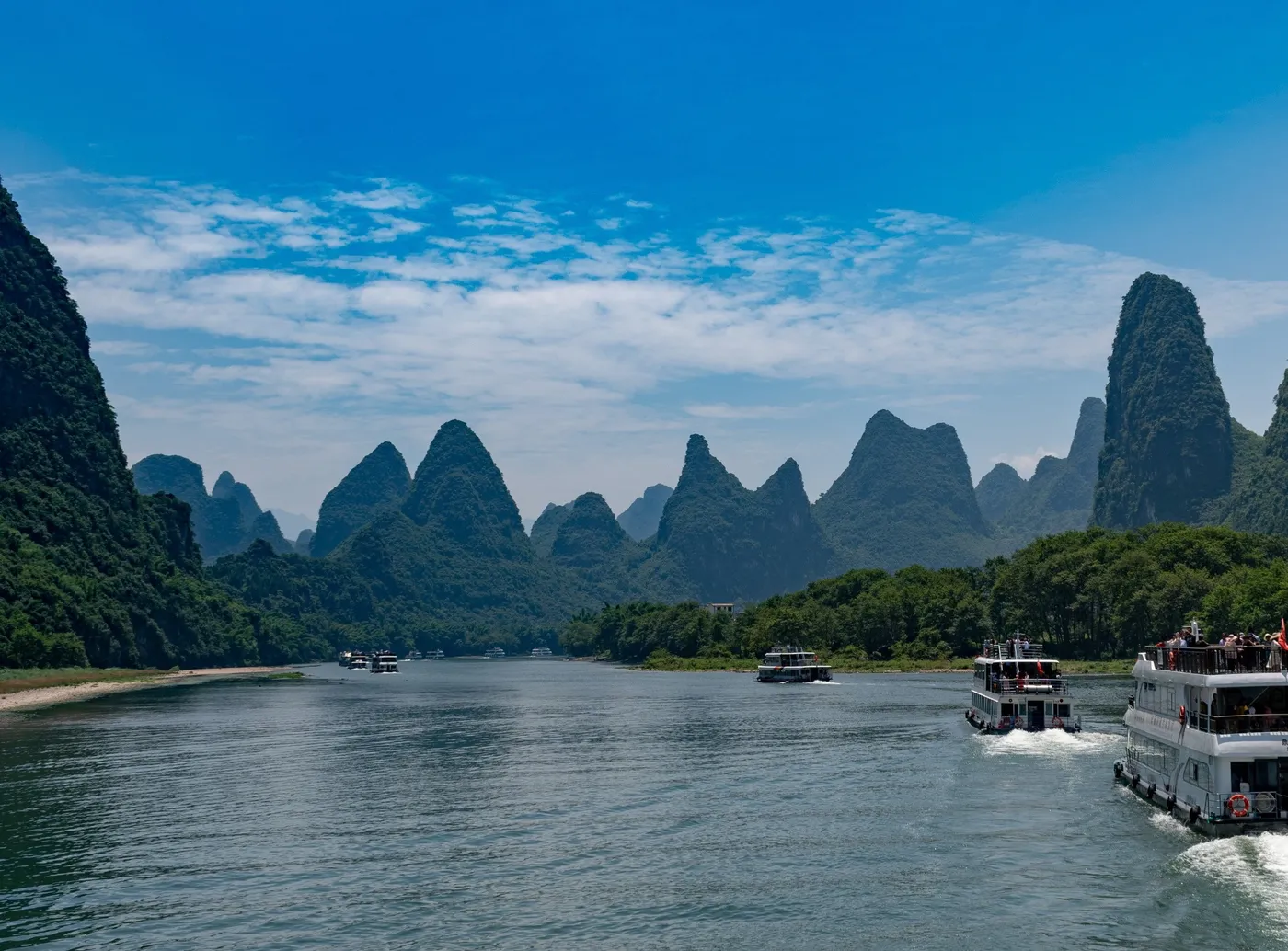
Guilin is the China landscape many travelers picture before they arrive: karst peaks, slow river light, rice noodles in the morning, and Yangshuo waiting downstream.
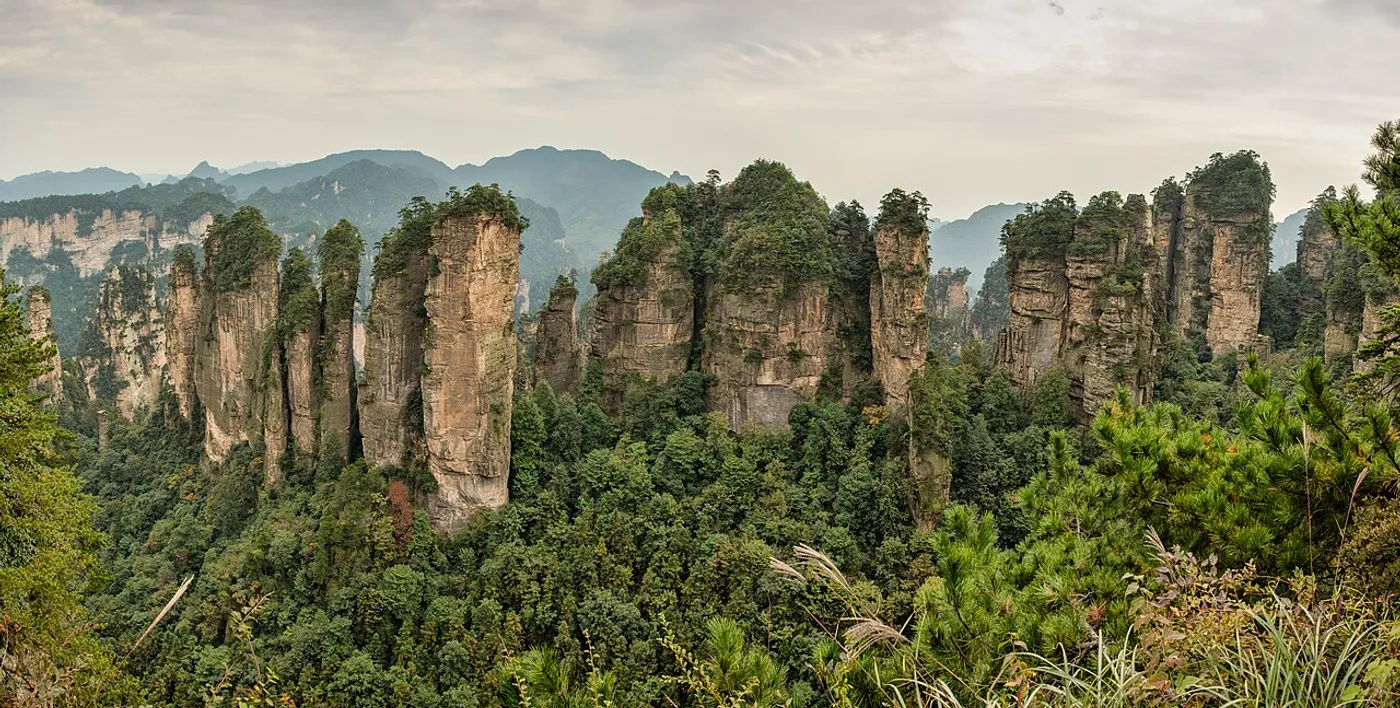
Zhangjiajie is not a casual city break; it is a weather-dependent mountain trip built around stone pillars, cable cars, shuttle buses, and the luck of clear air.
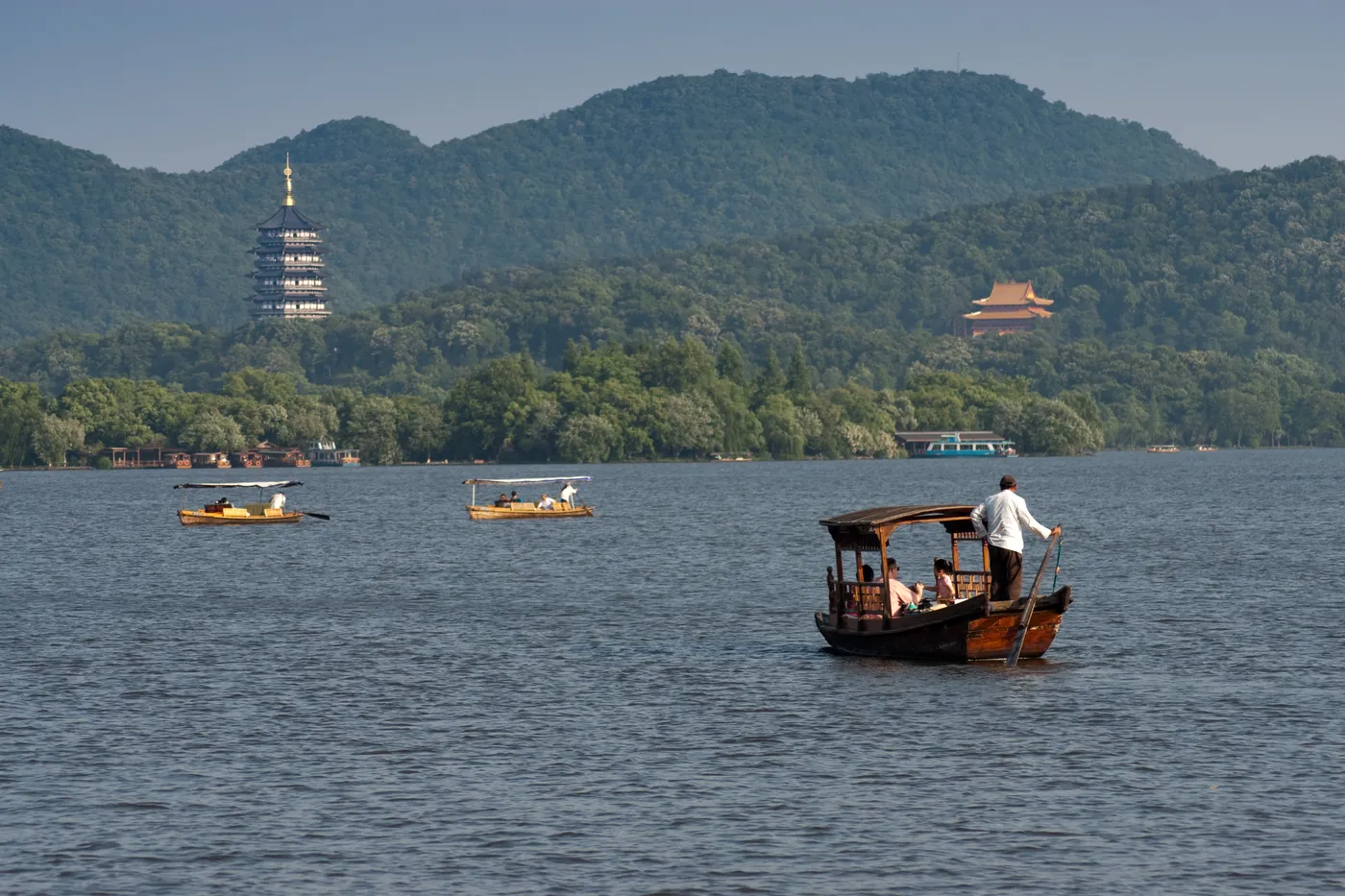
Hangzhou is best when you stop treating West Lake as a checklist. Pick a stretch of water, add tea or a temple, then leave room for a slower dinner.
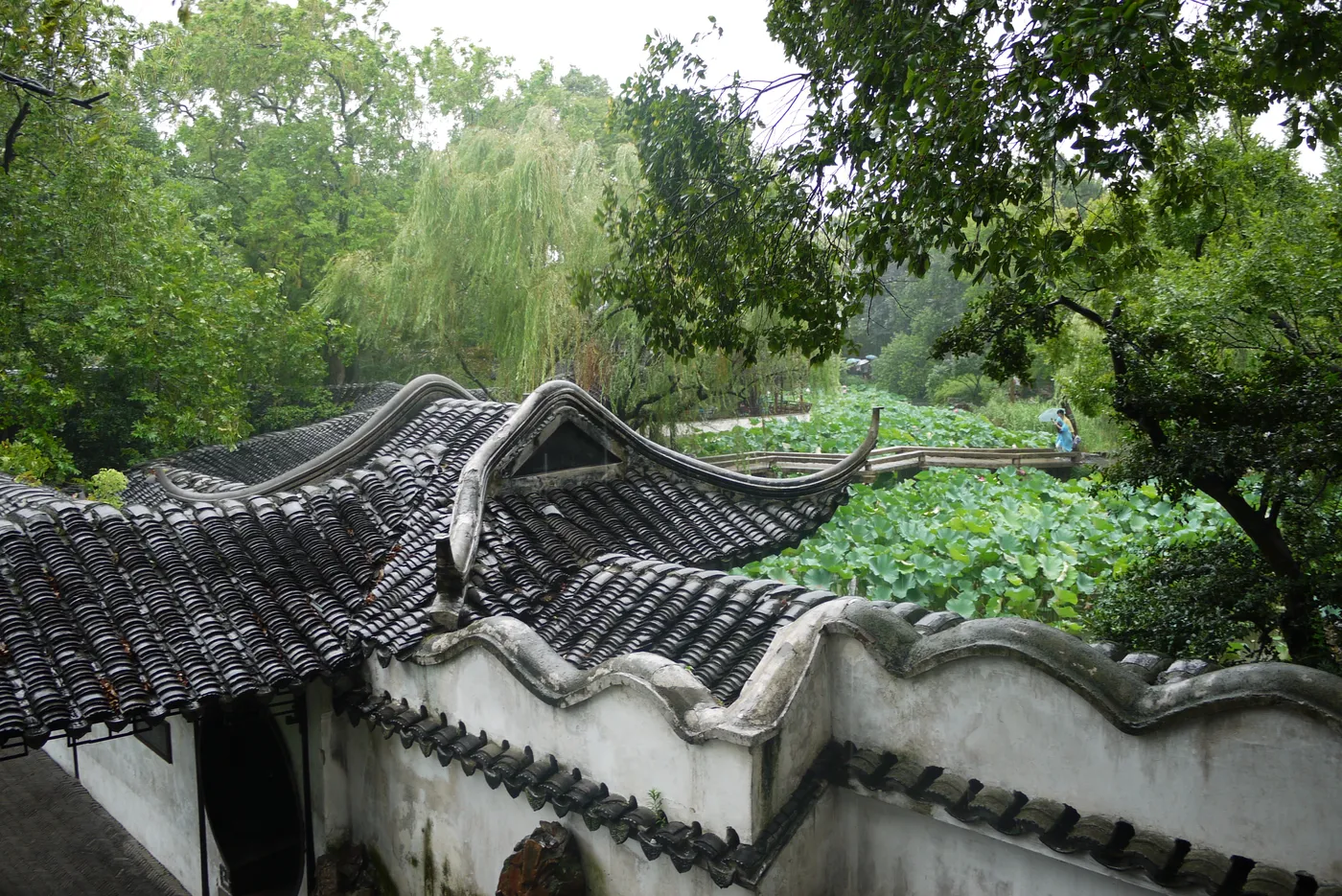
Suzhou rewards patience: one garden slowly, one canal street at the right hour, a bowl of noodles, and enough time to notice the city is quieter than Shanghai but not sleepy.
Guangzhou is where food becomes the itinerary: dim sum in the morning, old trading-port streets in the afternoon, and the Pearl River skyline after dark.
Dali is best when you slow down: Cangshan behind you, Erhai in front, old Bai villages nearby, and simple meals that make sense after a day outside.
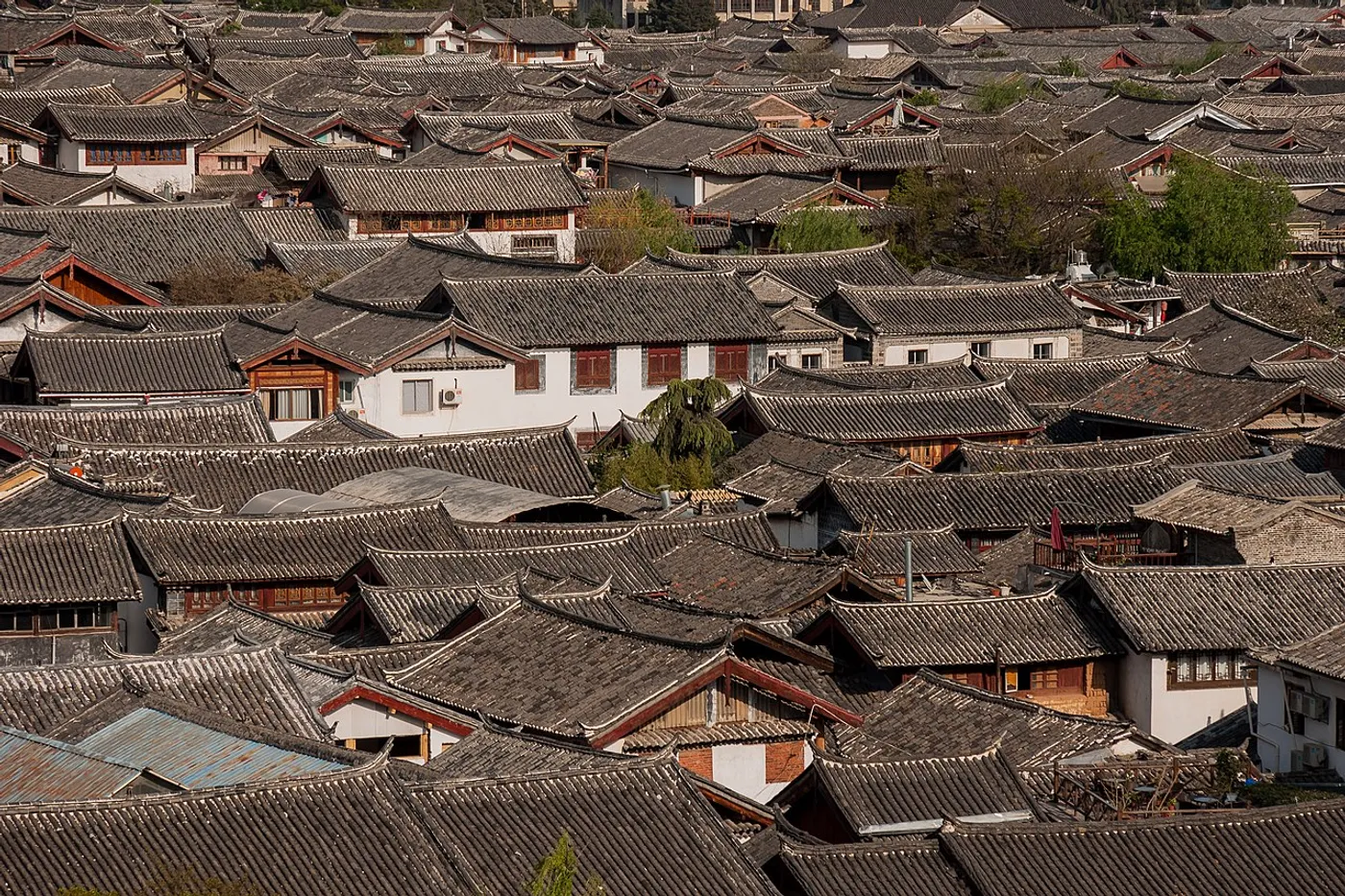
Lijiang has the famous old town, but the better trip mixes it with Baisha, Shuhe, snow-mountain views, and Naxi food that is richer than the souvenir streets suggest.
Huangshan is a mountain trip with a strong Huizhou food base: sunrise plans, stone steps, old villages, and meals built around fermented, braised, and preserved flavors.
Jiuzhaigou is a scenery-first trip: clear lakes, waterfalls, forest color, high-altitude weather, and simple Tibetan-Qiang meals after long park days.
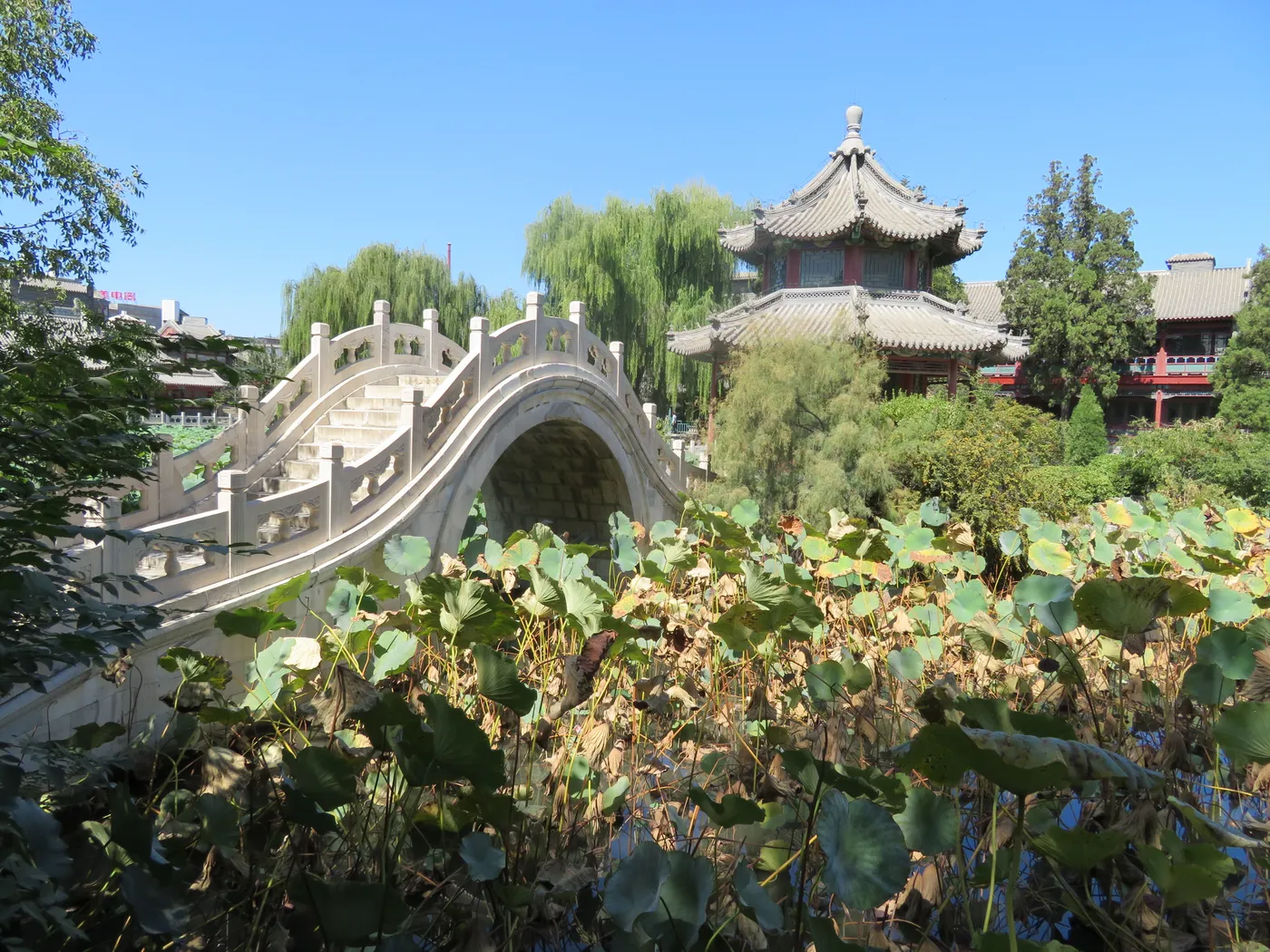
Baoding is a strong small-city addition near Beijing and Xiong'an: old government sites, lotus gardens, lake trips, imperial tombs, and very everyday northern food.
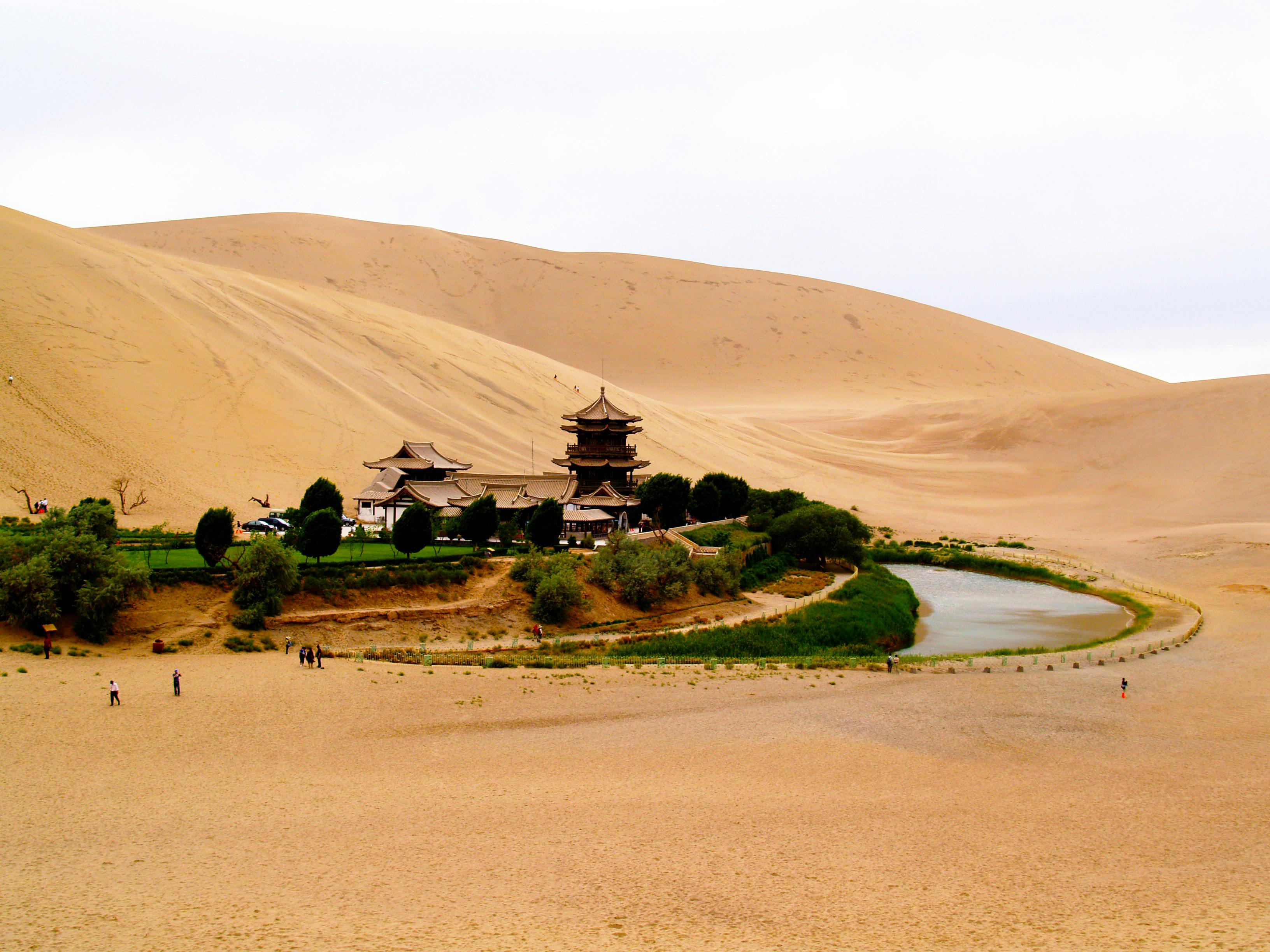
Dunhuang is a desert-and-caves trip: Mogao murals, sand dunes, night markets, and Gansu-style noodles that fit long dry days better than heavy sightseeing meals.
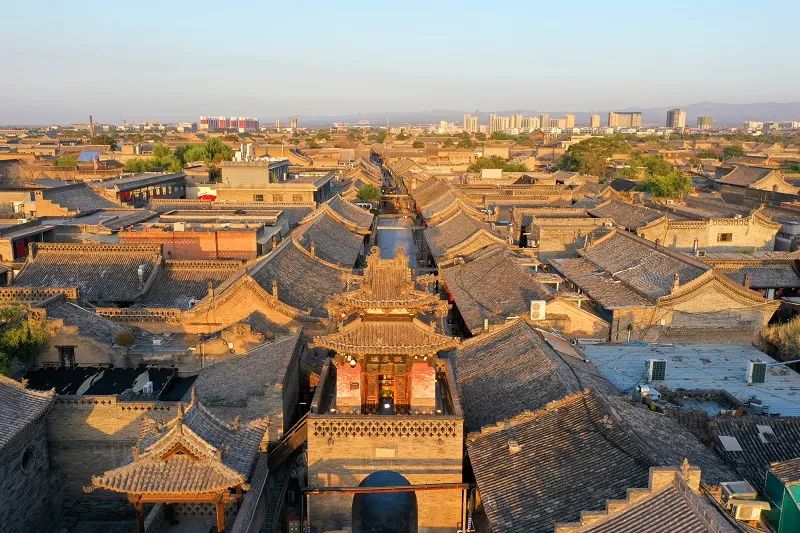
Pingyao is a compact old-city stop where the walls, courtyards, draft-bank history, vinegar shops, and Shanxi noodles all sit close enough for a slow walking route.
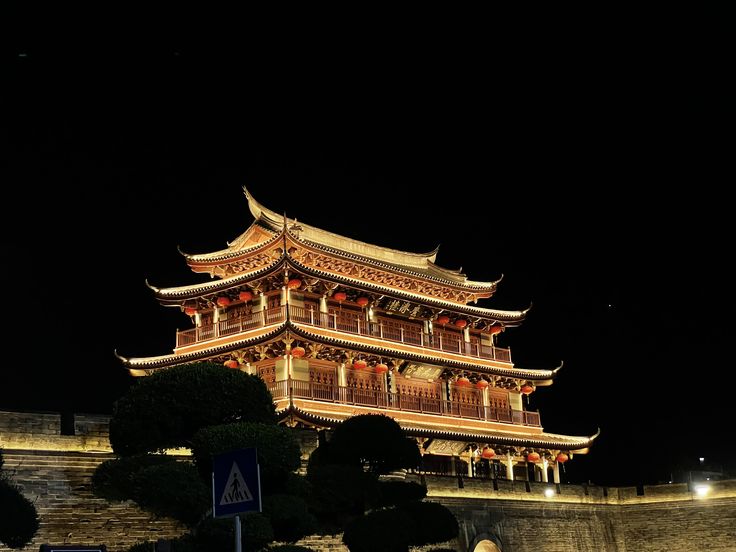
Chaozhou is a food-first old city: Guangji Bridge, paifang streets, tea, beef hotpot, rice noodle rolls, and snacks that make more sense when you eat slowly through the day.
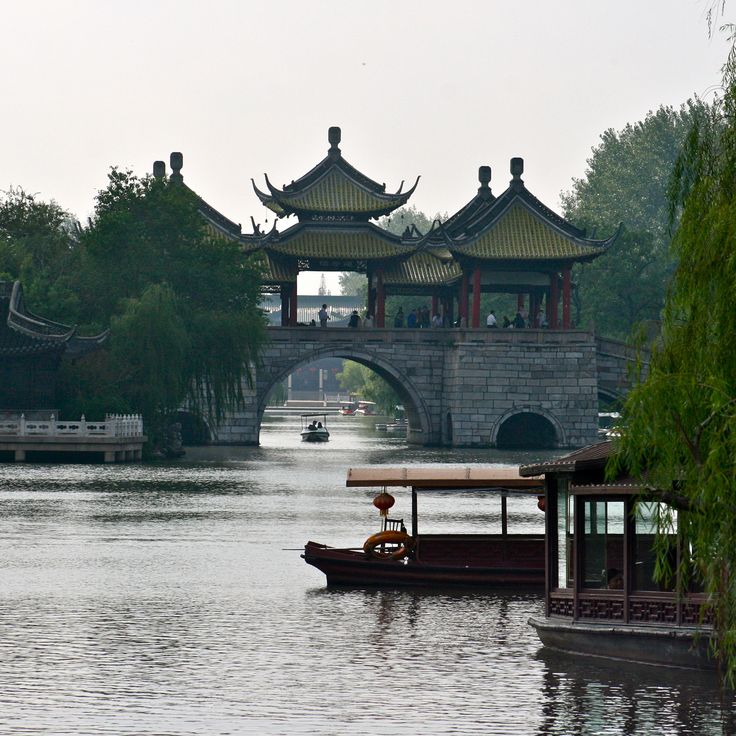
Yangzhou is a slower Jiangnan city built around gardens, canals, morning tea, and Huaiyang dishes that are refined without feeling fussy.
Quanzhou is a port-city layer cake: temples, old lanes, maritime history, Minnan snacks, seafood, and a pace that rewards walking between small stops.
Liuzhou is more than luosifen: a karst river city with night views, local markets, sour-spicy Guangxi flavors, and enough everyday food to justify a dedicated stop.
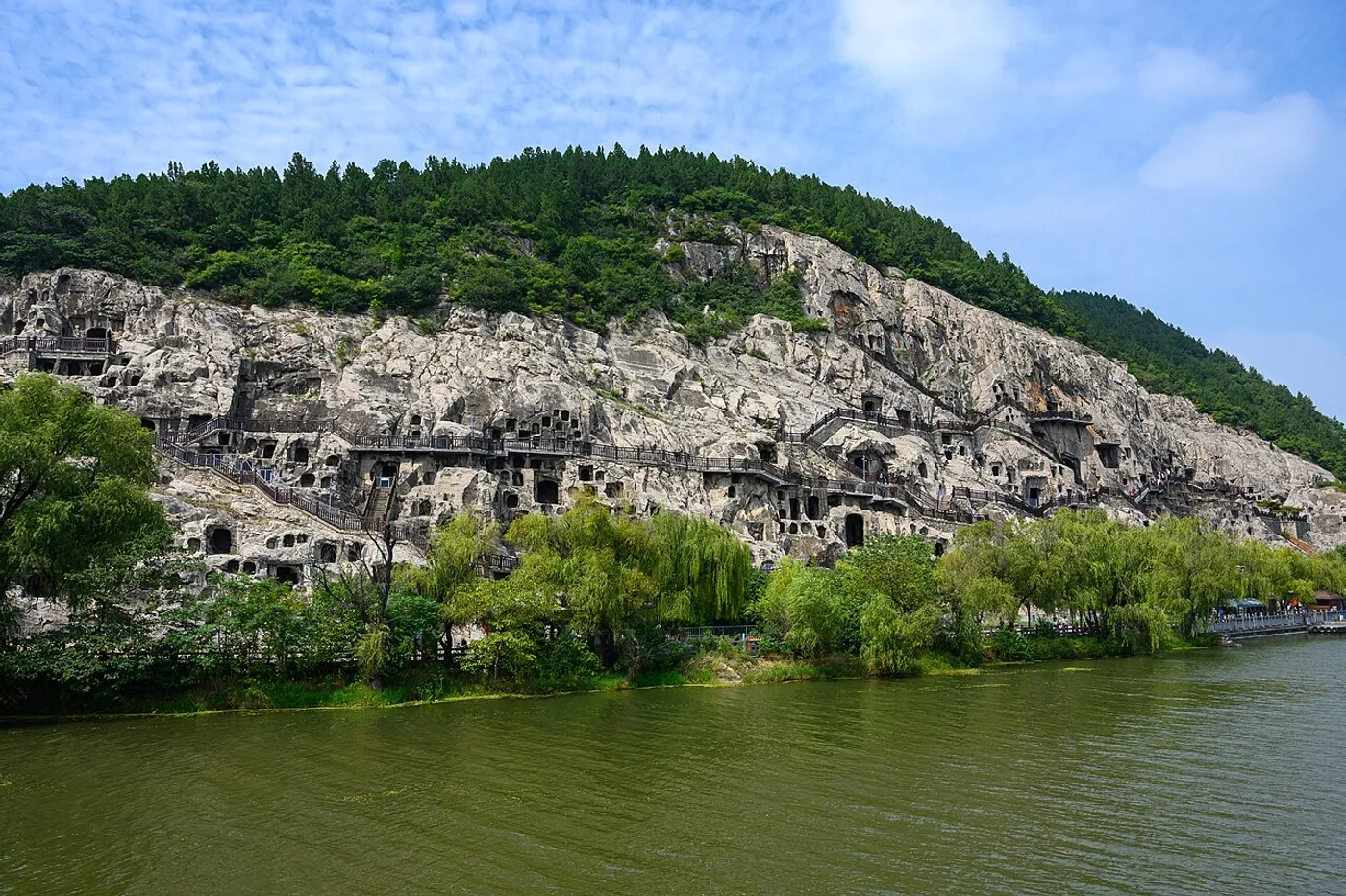
Luoyang is a history-heavy city with an easy food rhythm: Longmen Grottoes by day, old streets by night, and water banquet dishes that make the city feel different from Xi'an.
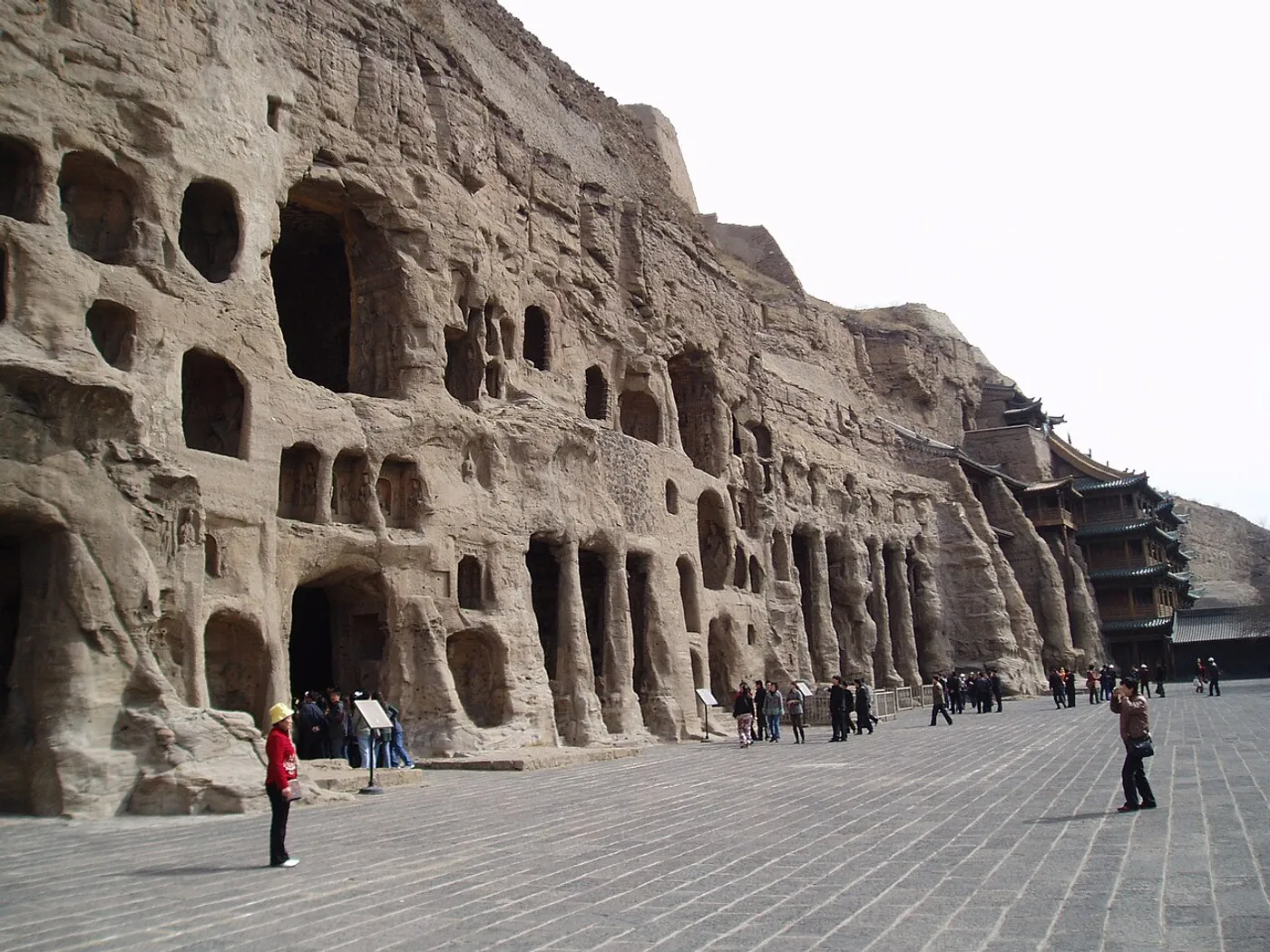
Datong pairs big northern heritage with sturdy food: Yungang Grottoes, old city walls, hanging temples nearby, knife-cut noodles, hotpot, and yellow-cake snacks.
Jingdezhen is a porcelain city with enough food to slow the shopping down: kiln museums, ceramic markets, village studios, Jiangxi rice noodles, and chili-forward home dishes.
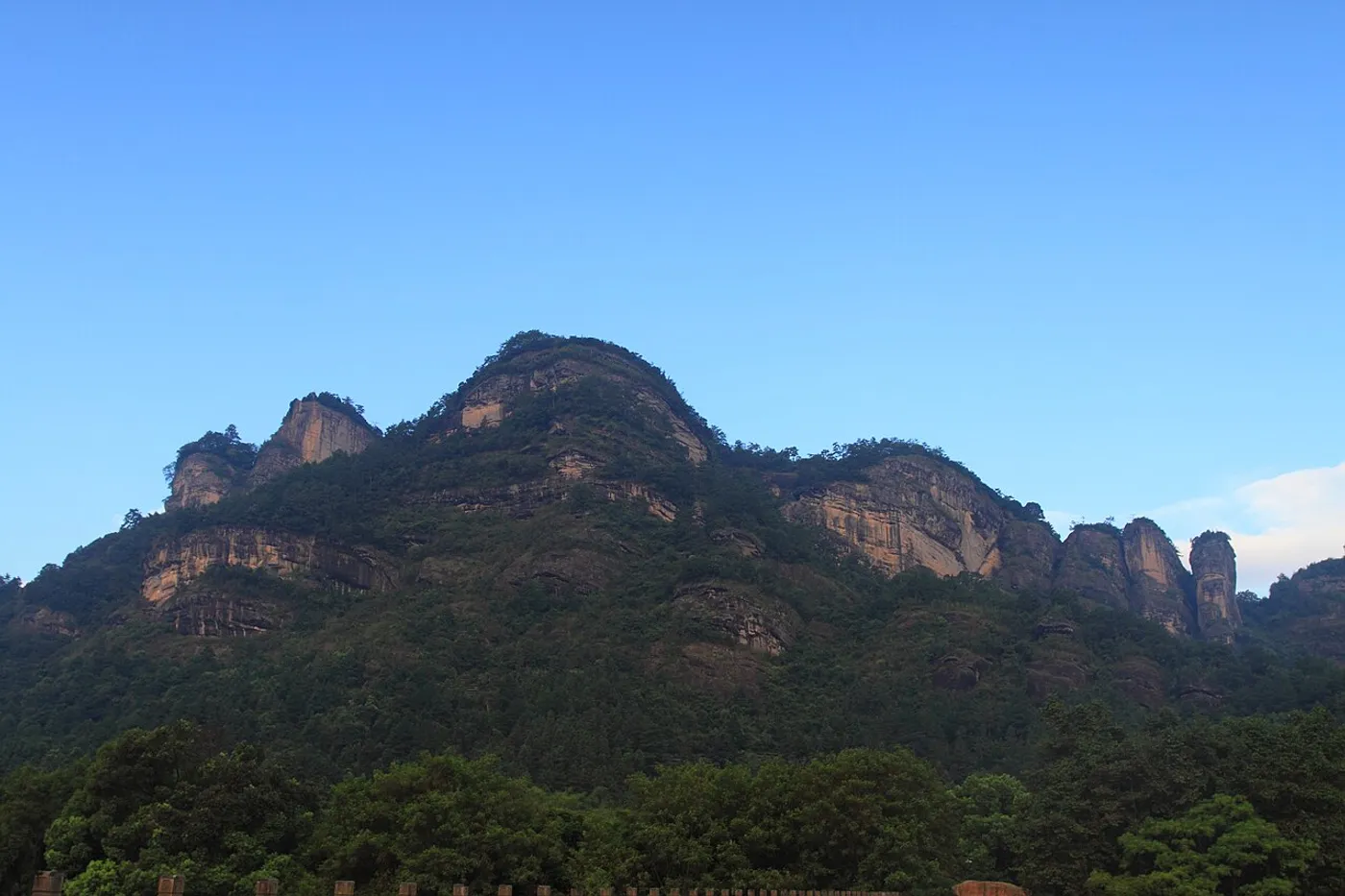
Wuyishan is a tea-and-mountain stop: bamboo rafts, red cliffs, oolong tea, smoked goose, river fish, and a rhythm that works best when the weather gets a vote.
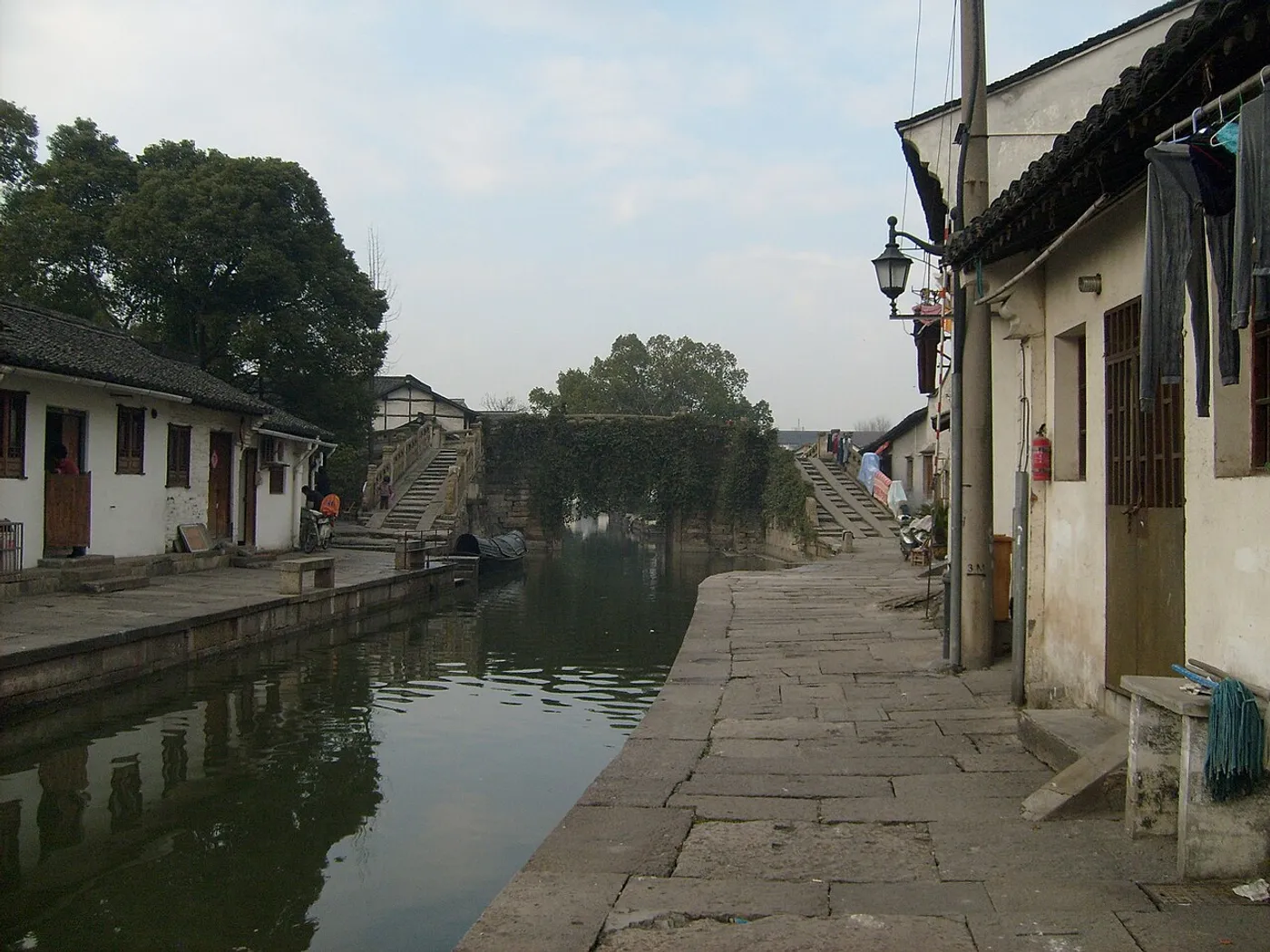
Shaoxing is a canal city with old lanes, yellow wine, Lu Xun history, rice dishes, stinky tofu, and enough quiet texture to work as a gentler Hangzhou-side trip.
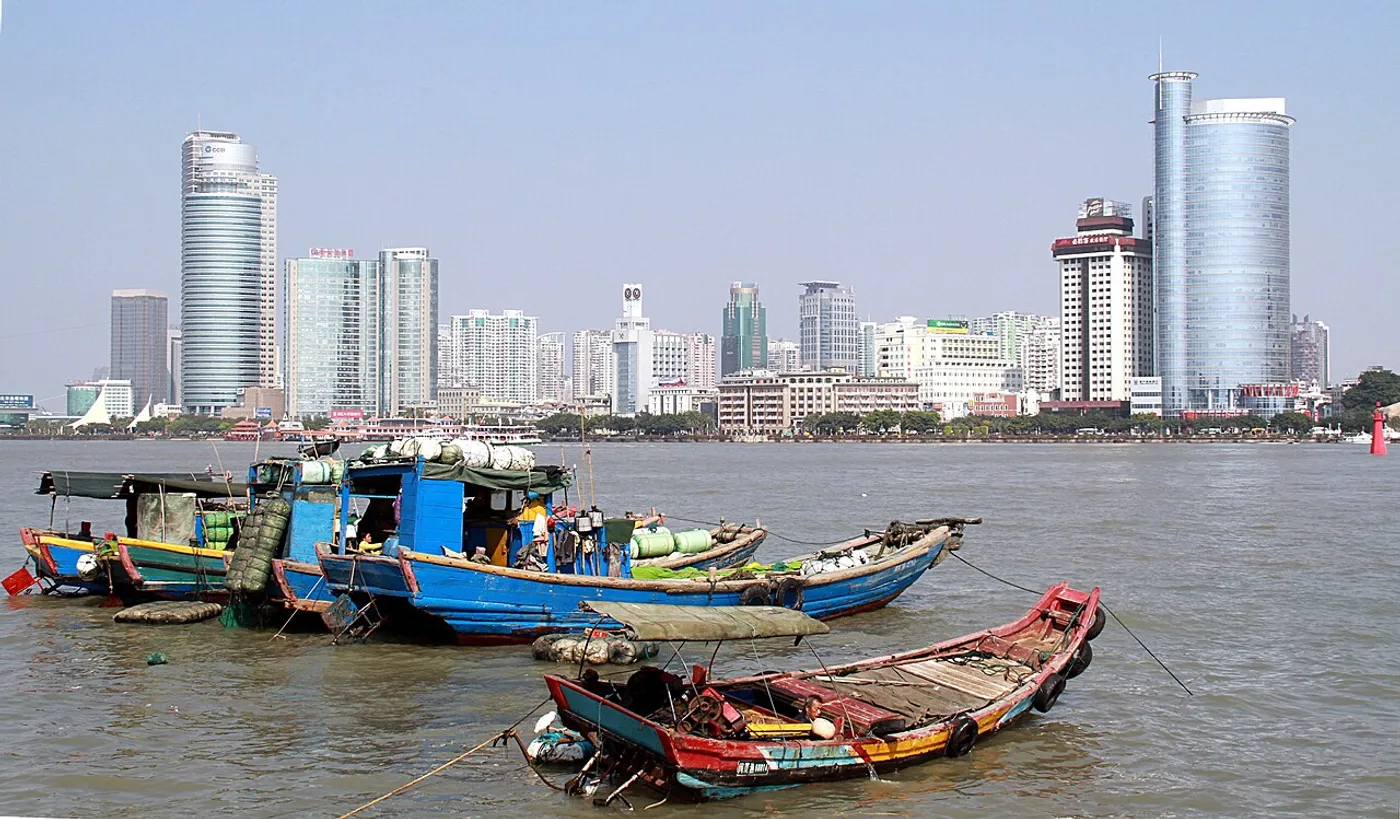
Xiamen is an easy coastal city with island walks, old villas, seafood, satay noodles, peanut soup, and enough Minnan flavor to work before or after Quanzhou.
A realistic Yangzhou food guide covering morning tea, Yangzhou fried rice, crab roe soup dumplings, dried tofu shreds, lion's head meatballs, Wensi tofu, and current checks.
A practical Quanzhou food guide covering Minnan snacks, beef soup, ginger duck, oyster omelet, noodle paste, salty rice, temples, old streets, and current checks.
A realistic Liuzhou food guide covering luosifen, dry-mixed luosifen, duck feet pot, sour bamboo shoots, stuffed tofu, sour fish, oil tea, and current restaurant checks.
A practical Shaoxing food guide covering yellow wine, stinky tofu, mei gan cai pork, drunken chicken, fennel beans, rice cakes, old town walks, and current checks.
A practical Baoding food guide covering donkey burger, Caohe donkey burger, beef covered flatbread, Bai Yunzhang buns, tofu shreds, sesame cakes, and local Hebei meals.
A practical Pingyao food guide covering Pingyao beef, Shanxi noodles, kaolao, wantuo, vinegar dishes, old-city pacing, and tourist-street checks.