Start with a route that does not overreach
Use the first-trip route if you want a stable major-city sequence with fewer transport surprises.
Clear routes, Chinese dish names, landmark photos, and small on-the-ground notes for travelers who want less guessing between the station, the hotel, and dinner.
Each city keeps the essentials close: what to eat, what to type into local apps, which landmark anchors the day, and where a route can slow down without falling apart.
This guide is starting with major China routes and local foods that are easy to verify. More cities, dishes, neighborhoods, and seasonal notes will be added as the site grows.
The site separates stable route logic from details that move too often to pretend they are fixed. Cities, dishes, station names, hotel logic, and route pacing are kept visible; fast-changing restaurant conditions, weather-sensitive scenic days, and ticket rules are flagged for current checks.
Use the first-trip route if you want a stable major-city sequence with fewer transport surprises.
Use the route-choice guide if the trip shape is still blurry and you need the cleanest starting point.
Use the stay-style guide if you are deciding between old towns, rail-friendly bases, food areas, and quieter nights.
Start with the southeast coast or Chengdu-Chongqing if food is one of the main reasons for the trip.
Choose an east-China or Yunnan shape if weather, lakes, mountains, and slower days matter more than city count.
A practical first-time China route for 10 days, connecting Beijing, Xi'an, Shanghai, high-speed rail, food planning, ticket checks, and one optional extension.
A practical guide to choosing between classic, food-first, and scenic China routes, covering how each trip shape behaves, what kind of traveler it suits, and the easiest way to avoid an incoherent first itinerary.
A practical guide to choosing a China route by trip style, covering classic first trips, food-led routes, scenic routes, north-China history, and slower Yunnan pacing.
A practical guide to choosing where to stay in Chinese cities, covering metro access, train stations, food neighborhoods, hotel location, luggage, quiet nights, and first-time tradeoffs.
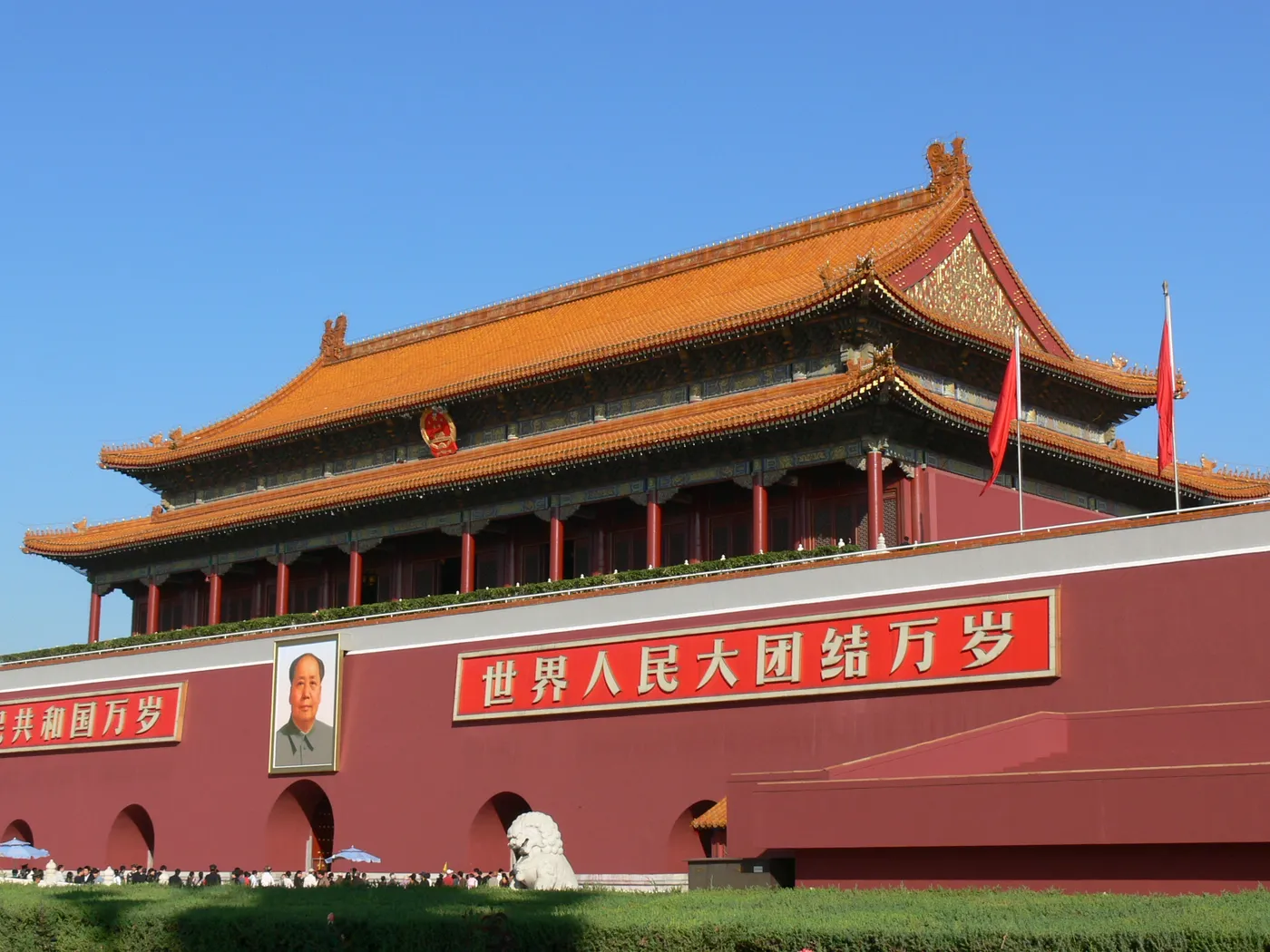
Beijing is the place to start if you want China at full scale: palace walls in the morning, hutong lanes by late afternoon, and roast duck when your feet finally complain.

Shanghai is the easiest big-city landing in China: metro signs make sense, the river gives you your bearings, and the food swings from breakfast buns to polished old-school dining.
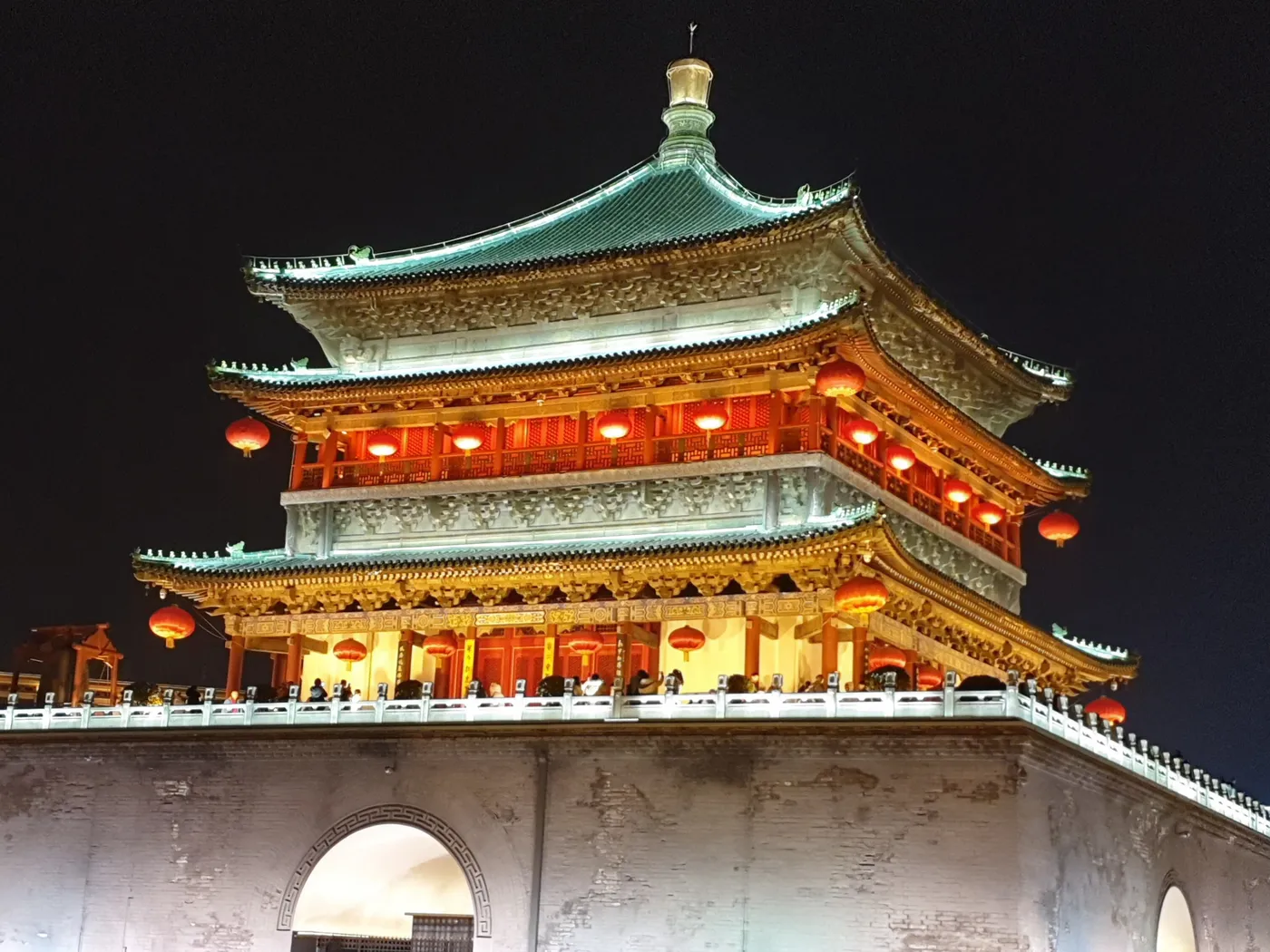
Xi'an works because the history and food sit close together: city wall, drum tower, noodle shops, old lanes, and the Terracotta Warriors waiting outside town.
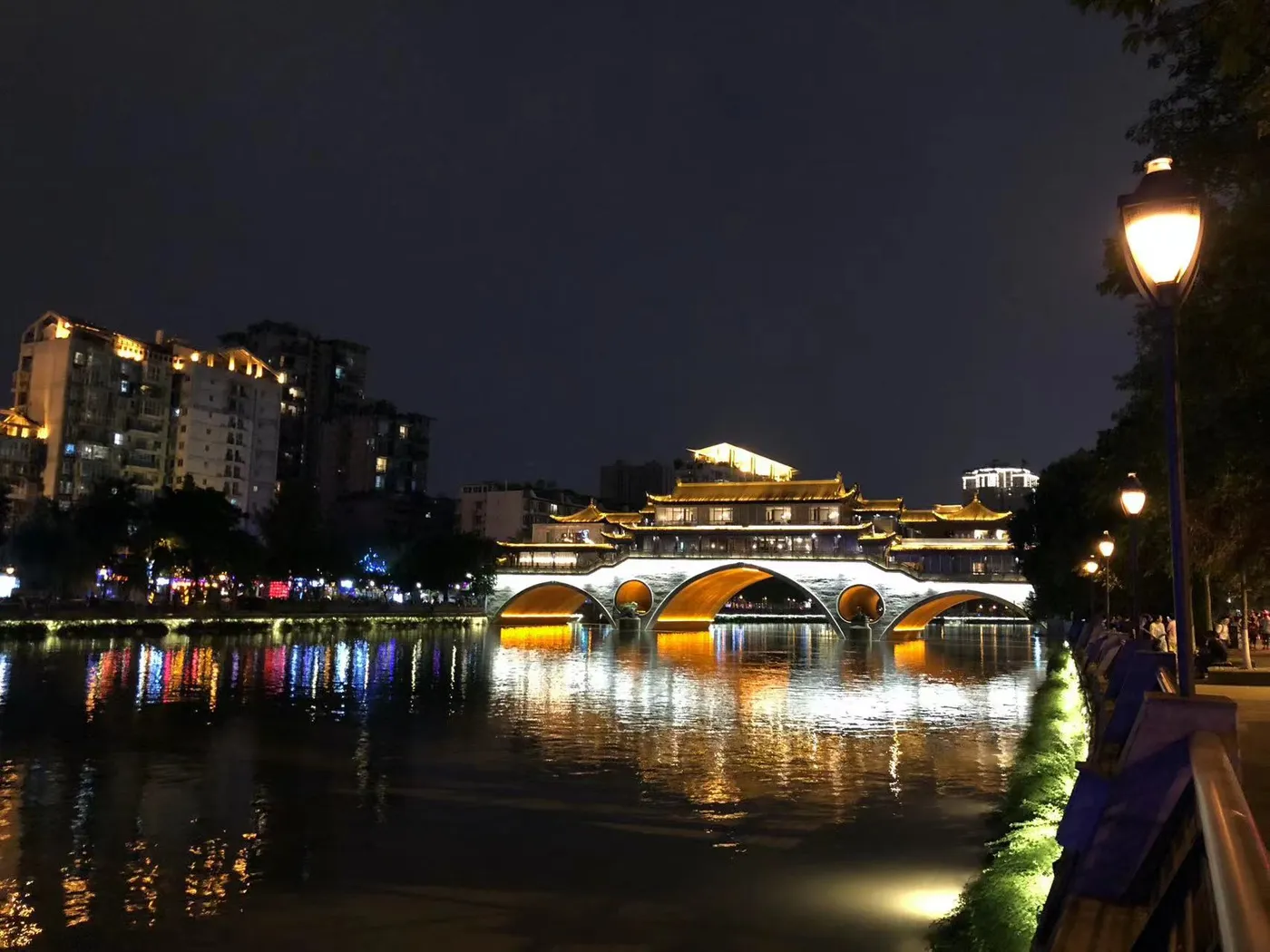
Chengdu is softer than its chili reputation: pandas early, teahouses in the afternoon, and a hotpot table that can be as gentle or as punishing as you let it be.

Chongqing is vertical, loud, spicy, and photogenic after dark. Give yourself extra time: the map may say five minutes, but the stairs may have other plans.

Guilin is the China landscape many travelers picture before they arrive: karst peaks, slow river light, rice noodles in the morning, and Yangshuo waiting downstream.
A forgiving first east-China route with skyline walks, gardens, West Lake, canals, yellow wine, and short rail hops that do not waste whole days.
A slower Yunnan route built around old towns, mountain views, Bai and Naxi food, and enough breathing room for weather, cafés, and easier mornings.
Works well for travelers who want palace walls, old government compounds, city walls, grottoes, noodles, and a more grounded north-China rail sequence.
A clean two-city route for pandas, teahouses, river views, hotpot, noodles, and a direct step into stronger southwest flavors without overcomplicating transfers.
A realistic Yangzhou food guide covering morning tea, Yangzhou fried rice, crab roe soup dumplings, dried tofu shreds, lion's head meatballs, Wensi tofu, and current checks.
A practical Quanzhou food guide covering Minnan snacks, beef soup, ginger duck, oyster omelet, noodle paste, salty rice, temples, old streets, and current checks.
A realistic Liuzhou food guide covering luosifen, dry-mixed luosifen, duck feet pot, sour bamboo shoots, stuffed tofu, sour fish, oil tea, and current restaurant checks.
A practical guide to choosing between classic, food-first, and scenic China routes, covering how each trip shape behaves, what kind of traveler it suits, and the easiest way to avoid an incoherent first itinerary.
A practical guide to choosing where to stay in Chinese cities, covering metro access, train stations, food neighborhoods, hotel location, luggage, quiet nights, and first-time tradeoffs.
A practical guide to choosing where to stay in China by trip style, covering classic first trips, food-led stays, scenic bases, old-town tradeoffs, station convenience, and how hotel mood should match route mood.
A practical guide to China payment setup, Alipay and WeChat Pay basics, SIM and eSIM planning, data access, backups, and first-day mistakes to avoid.